Project Delivery Overview: 9715011819, 9725876381, 9732959874, 9733045288, 9734255593, 9738342002

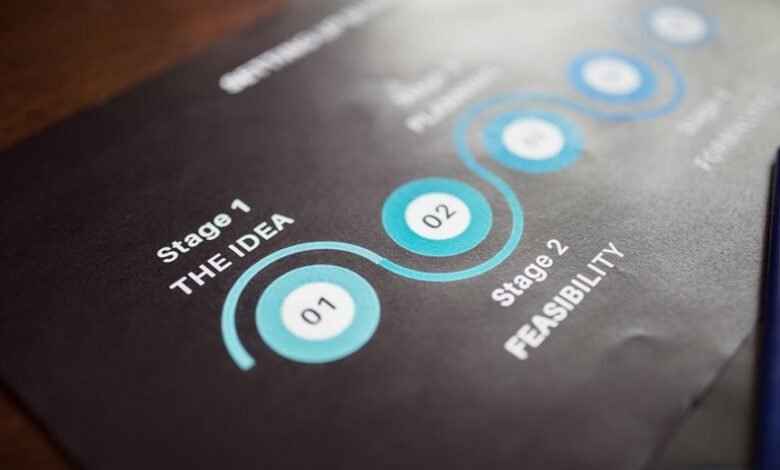
Project delivery methods are critical in shaping the success of construction projects. They provide structure and predictability, while also promoting collaboration among diverse stakeholders. By blending traditional contracts with agile practices, these methods can adapt to changing circumstances. However, successful execution requires careful stakeholder engagement and effective risk management. The subsequent sections will explore notable case studies and essential considerations that contribute to effective project delivery.
Overview of Project Delivery Methods
Project delivery methods serve as the foundational framework guiding the execution of construction projects. They encompass various strategies, including traditional contracts, which offer structured predictability, and collaborative approaches that foster teamwork.
Agile methodologies introduce flexibility, allowing for adaptive responses to change. Effective risk management is essential within these methods, ensuring that potential challenges are addressed proactively, ultimately enhancing project success and stakeholder satisfaction.
Case Studies and Examples
Successful project delivery methods can be illustrated through various case studies that highlight their unique applications and outcomes.
Project examples such as the construction of urban transit systems and sustainable housing initiatives showcase innovative strategies and effective collaboration.
These case studies reveal the importance of adaptability and stakeholder engagement, offering valuable insights that can inform future project delivery endeavors across diverse sectors.
Key Considerations for Successful Project Delivery
When embarking on any initiative, several key considerations can significantly influence the outcome of project delivery.
Effective stakeholder engagement ensures alignment and support, while robust risk management identifies potential challenges early.
Proper resource allocation maximizes efficiency, and timeline adherence keeps the project on track.
Moreover, fostering team collaboration and implementing clear communication strategies enhance overall effectiveness, driving successful outcomes for all involved.
Conclusion
In conclusion, the intersection of traditional contracts and agile methodologies in project delivery methods not only enhances adaptability but also fosters collaboration among diverse stakeholders. Coincidentally, successful urban transit systems and sustainable housing initiatives showcase how effective stakeholder engagement and risk management can lead to remarkable outcomes. As project teams navigate complexities, clear communication and efficient resource allocation emerge as critical components, ultimately guiding projects toward their goals while accommodating the ever-changing landscape of construction.