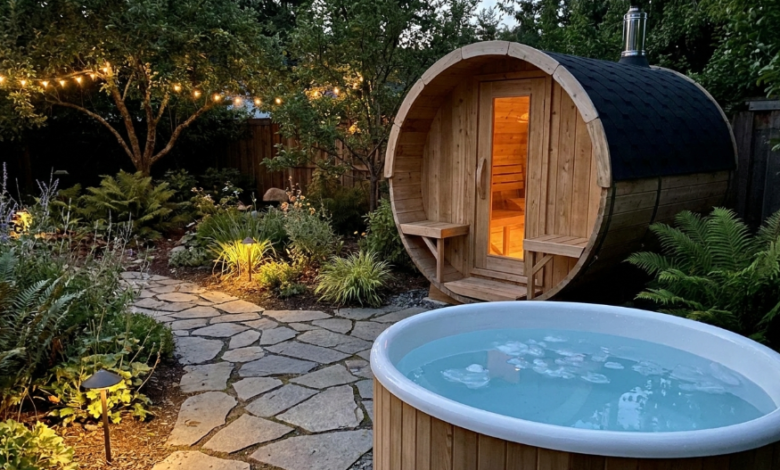
A realistic all-in budget for a home sauna runs $5,500 to $12,000 for a mid-size outdoor cabin, or $2,500 to $4,500 for a small indoor infrared unit, once every line item beyond the sticker price is counted. The advertised price on most listings covers the cabin and sometimes the heater. It rarely covers electrical work, site prep, delivery, accessories, or the first year of running costs, which together can add 40 to 60 percent on top of what the listing shows.
1. The Sticker Price Is Rarely the Full Story
Base cabin pricing for a mid-size outdoor barrel or cabin sauna runs $3,500 to $7,500 depending on wood species and window area. Some listings bundle the heater into that number; many do not, and a heater listed separately adds $600 to $1,800 depending on kilowatt rating. Reading the fine print on whether a price is genuinely all-in, or just the shell, is the first step in avoiding a budget that is wrong before anything else gets added.
2. The Electrical Circuit Is the Most Underestimated Line Item
Heaters above roughly 6 kilowatts need a dedicated 240-volt circuit. A short run close to an already-capable panel might cost a few hundred dollars. A longer run to a detached backyard structure, especially one requiring trenching, regularly exceeds $2,000. This single item causes more budget surprises than any other part of a sauna purchase, since it depends entirely on a home’s existing electrical setup rather than anything about the sauna itself.
3. Permits Add Time Before They Add Much Cost
Permit fees themselves are usually modest, often $50 to $300, but many jurisdictions require one for a new dedicated circuit and some require one for outdoor structures above a certain size. The real cost is schedule delay: a permit and inspection cycle can add one to three weeks to a project timeline that buyers often assume will be done within days of delivery.
4. Site Prep Depends Heavily on What’s Already There
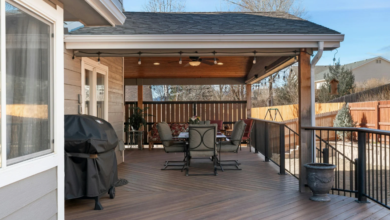
A flat, already-graded spot might only need a gravel and paver base, a few hundred dollars in materials. A sloped or uneven site can require a poured concrete pad or a built deck frame running $1,000 to $3,000. This is one of the widest cost ranges in the whole budget precisely because it depends entirely on the specific yard, not on anything about the sauna model chosen.
5. Delivery and Assembly Vary More Than People Expect
Flat-pack delivery is standard and usually included or modestly priced. Professional assembly, when hired out rather than done as a weekend DIY project, typically runs $500 to $1,500 depending on region and cabin complexity. Buyers in rural areas or far from a manufacturer’s installer network sometimes pay a freight premium on top of standard delivery for the extra distance a liftgate truck has to travel.
6. Accessories Are Small Alone but Add Up
A basic accessory set, a bucket and ladle, a thermometer and hygrometer, a headrest or two, and basic lighting, runs $150 to $400 combined. None of these are large purchases individually, but they’re easy to forget when pricing out just the cabin and heater, and forgetting them means an install day where the sauna is ready but nothing to actually use it with has arrived yet.
7. The First Year of Running Costs Is Part of the Real Number
Electricity for regular use runs roughly $15 to $40 a month depending on cabin size and session frequency. Add heater rocks, typically replaced every one to two years, and door seal upkeep, and a realistic first-year running cost lands around $250 to $550 beyond the purchase and install. Shoppers comparing full quotes, including what the team at SweatDecks lists alongside other specialty sellers, generally find bundled unit-plus-heater-plus-install pricing easier to budget against than piecing every line item together separately.
8. Financing Changes the Real Total More Than People Expect
A sauna financed over two to three years at a typical retail rate can add 10 to 25 percent to the total cost compared with paying upfront. That is not a reason to avoid financing if it makes the purchase possible, but it is a number worth calculating before signing, since a $9,000 sauna financed at the higher end of that range effectively becomes an $11,000 one by the time it’s paid off. Comparing a retailer’s own installment plan against a general personal loan or a low-interest credit card promotional period sometimes turns up a meaningfully cheaper way to spread the same purchase over time.
9. Insurance Rarely Comes Up Until It Matters
Adding a permanent outdoor structure can affect a homeowner’s policy, sometimes as a small premium adjustment, sometimes as a requirement to document the addition for the coverage to apply at all. This costs nothing to check but is easy to skip entirely during a purchase focused on cabin style and heater specs. A quick call to the insurance provider before or shortly after installation, confirming the structure and its electrical work are properly noted on the policy, avoids a coverage gap that only becomes obvious after something has already gone wrong.
What Does the Research Say About Cost Versus How Often It Gets Used?
A large Finnish cohort analysis, summarized in a 2018 review in Mayo Clinic Proceedings, associated frequent sauna use, four to seven sessions a week, with lower rates of cardiovascular events compared with once-weekly use, a pattern echoed in a 2018 systematic review in Evidence-Based Complementary and Alternative Medicine. Neither review ties the association to cabin price or size. That’s a reason to budget for a sauna a household will genuinely use several times a week rather than stretching for the most expensive model the budget allows.
Frequently Asked Questions
What is a realistic total budget for a home sauna? Between $5,500 and $12,000 all-in for a mid-size outdoor cabin. Small indoor infrared cabins can land closer to $2,500 to $4,500.
Which line item most often gets left out of a sauna budget? The electrical circuit, which can add a few hundred dollars to over $2,000 depending on distance from the panel.
Are accessories like buckets, thermometers, and lighting a real cost? They’re small individually, typically $150 to $400 combined, but easy to forget when pricing just the cabin and heater.
Does financing a sauna purchase change the real cost? Yes. A financed purchase can add 10 to 25 percent over a two to three year term compared with paying upfront.
References
- Clinical Effects of Regular Dry Sauna Bathing: A Systematic Review, Evidence-Based Complementary and Alternative Medicine, 2018
- Does the Combination of Finnish Sauna Bathing and Other Lifestyle Factors Confer Additional Health Benefits? A Review of the Evidence, Mayo Clinic Proceedings, 2023
- Benefits and risks of sauna bathing, The American Journal of Medicine, 2001