Reviewed by a licensed speech-language pathologist
Quick answer: Yes, the effects of heavy screen time on a late talker can usually be improved. Screens do not permanently damage language, but they crowd out the back-and-forth talk children need. Replacing passive viewing with responsive conversation, play, and daily practice helps most children make gains, especially when started early.
A lot of parents quietly worry that they let the tablet run too long, and that their toddler’s slow start with words is the price. It is a fair concern, and it comes with a hopeful side. The habits that shape early language can shift, and children are remarkably responsive when the balance of their day changes. To reverse screen time speech setbacks, the aim is not guilt about the past but a steady move toward more talking, together, starting now.
How does screen time affect a late talker?
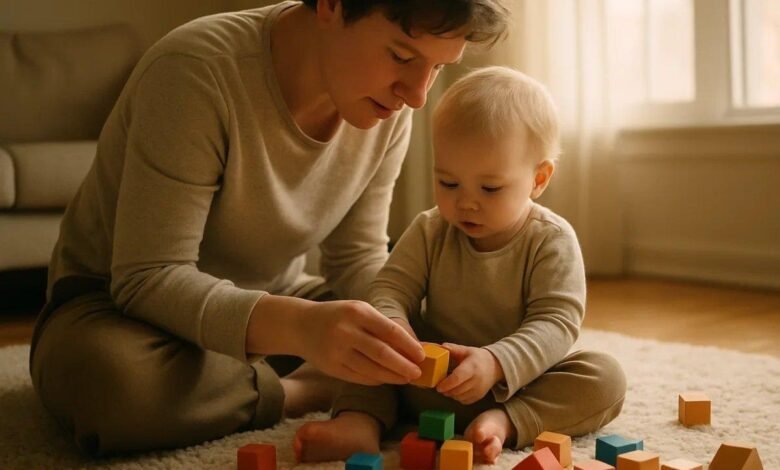
Early language grows through interaction. When a child babbles or points and an adult responds with words, pauses, and warmth, the child gets the raw material for talking. Screens, especially when they play in the background or hold a child’s attention alone, replace those exchanges with a one-way stream. The child hears a lot of sound but takes few turns.
The National Institute on Deafness and Other Communication Disorders describes how children build speech and language through everyday hearing and use of words with the people around them. A screen-heavy day simply offers fewer of those moments. That is the mechanism worth understanding: screens are less about a direct harm and more about what they displace.
Can the effects actually be reversed?
For most children, yes. Language is built through repeated, responsive practice, and a young brain adds those skills quickly when the input is there. Cutting back on passive viewing does not undo anything on its own, but it opens hours that can be filled with talk, songs, books, and play. That shift is what drives change.
It helps to separate two things. A late talker who understands language well and uses gestures often responds fast to more interaction. A child with a broader delay may need formal support alongside home changes. The American Speech-Language-Hearing Association notes that late language emergence describes children who are slow to start talking without another known cause, and many of these children respond well to a language-rich environment.
What should a screen-lighter day look like?
The goal is more interaction, not a perfect household. A few changes carry most of the benefit:
- Turn off background TV, which pulls attention away even when no one is watching.
- Keep meals and the car screen-free so those become talking time.
- When screens are on, watch together and talk about what you see rather than leaving the child alone with it.
- Narrate daily routines, pause to give your child a turn, and expand on whatever sound or word they offer.
None of this requires special materials. A child learns “up,” “more,” and “again” from being lifted, fed, and pushed on a swing far faster than from a video.
How fast will I see a change?
Many families notice small shifts within a few weeks: more sounds, more pointing, more attempts to copy words. Larger gains, like new words adding up steadily, usually take months. Progress is not a straight line, and it varies from child to child. What matters is consistency of interaction over time, not a dramatic week.
The Centers for Disease Control and Prevention offers milestone checklists that let families track progress in a concrete way instead of guessing. Checking milestones every few months can show whether the gap is closing.
What role can apps and tools play?
This is where parents get mixed messages. Passive viewing does little for language, but not all screen use is the same. Interactive, voice-first tools that ask a child to speak and respond are closer to practice than to entertainment. They are best treated as one option among many, and as a supplement to real conversation and any therapy a child receives.
Between an evaluation and the first therapy session there is often a wait, and even weekly therapy is a small part of a child’s week. Some families use short, play-based speaking practice at home to fill that gap. A resource like this guide walks through how low-pressure daily practice through play can support a late talker, giving the child chances to use their voice in a light, positive way rather than a drill. Home practice works alongside a clinician, never in place of one.
When should I stop trying at home and seek an evaluation?
Home changes and professional help are not either-or. If your child is clearly behind the typical range, if the gap seems to be widening, or if you simply feel worried, request an evaluation rather than waiting to see. The American Academy of Pediatrics encourages families to raise concerns early, and early intervention services for children under three are free or low cost in every state. A speech-language pathologist can tell whether this is a delay that will respond to more interaction or something that needs targeted support.
Key takeaways
- Heavy screen time affects language mostly by crowding out the back-and-forth talk children need, and that balance can be shifted.
- For most late talkers, adding responsive conversation, books, and play produces real gains, especially when started early.
- Small changes work: no background TV, screen-free meals, and watching together while you talk.
- Passive viewing does little for speech, but interactive practice can supplement real conversation and therapy.
- If your child is well behind or you feel worried, request an evaluation instead of waiting.
Frequently asked questions
Can screen time cause a speech delay?
Heavy screen use is linked with less back-and-forth talk, which is the main driver of early language. It is rarely the only cause, but cutting it back removes a barrier and frees up hours for conversation.
How long does it take to see improvement after cutting screens?
Many families notice more sounds and attempts within a few weeks. Bigger gains take months, and steady daily interaction matters more than any single week.
Do educational apps and shows help a late talker learn to talk?
Young children learn language best from responsive people. Some interactive tools can support practice, but they work as a supplement to real conversation, not a replacement.
Should I remove all screens completely?
Not necessarily. The goal is to shift the balance toward interaction. Reducing background TV and keeping meals screen-free are practical steps most families can keep up.
When should I have my child evaluated?
If your child is well behind typical milestones or you feel worried, request an evaluation rather than waiting. Early intervention is free or low cost for children under three.
Sources
- American Speech-Language-Hearing Association: Late Language Emergence (asha.org)
- National Institute on Deafness and Other Communication Disorders: Speech and Language (nidcd.nih.gov)
- Centers for Disease Control and Prevention: Developmental Milestones (cdc.gov)
- American Academy of Pediatrics (HealthyChildren.org): Toddler Development (healthychildren.org)
- American Speech-Language-Hearing Association: Speech and Language Developmental Milestones (asha.org)